Does scaling loosen teeth? This is one of the most common questions people ask before getting professional dental cleaning.
Some patients worry that removing tartar will make their teeth weak, loose or sensitive. Others notice a different feeling around their teeth after a cleaning and assume that the scaling procedure caused it.
But is that really what happens?
In most cases, professional dental scaling is performed to remove plaque and hardened tartar from the teeth and support healthier gums. Tooth mobility is more commonly associated with problems affecting the tissues and bone that support the teeth, particularly advanced periodontal disease.
Let’s understand what actually happens during scaling and why your teeth may sometimes feel different afterward.
1. Does Scaling Loosen Teeth?
Routine dental scaling does not normally make healthy teeth loose.
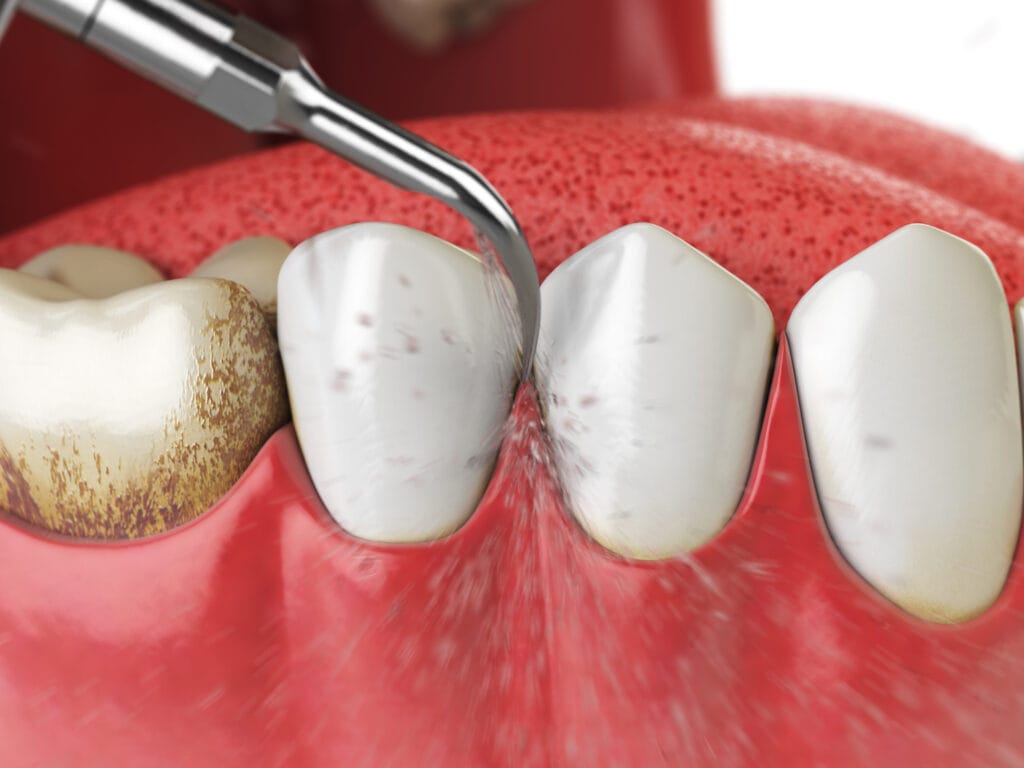
Scaling is a professional procedure used to remove plaque and calculus (tartar) from tooth surfaces. Tartar is hardened plaque that cannot be completely removed with ordinary brushing alone and requires professional cleaning.
If a tooth already has significant support loss because of gum disease, however, it may already have some mobility before the cleaning.
In these situations, patients may notice the mobility more clearly after the heavy tartar deposits are removed.
That does not necessarily mean the scaling caused the looseness.
2. Why Do Teeth Sometimes Feel Different After Scaling?
There are several reasons your teeth may feel different after dental cleaning.
Tartar Has Been Removed
Large tartar deposits can build up around the teeth and gumline.
Once these deposits are removed, the surface of the teeth feels smoother and cleaner. The teeth may therefore feel different to your tongue.
Inflamed Gums May Change
Tartar and plaque can contribute to gum inflammation.
When the deposits are removed and oral hygiene improves, the gums can begin returning toward a healthier state.
Previously Hidden Tooth Surfaces Become Noticeable
Heavy deposits can cover parts of the tooth near the gumline.
After cleaning, these areas become visible and may sometimes appear different in shape or color.
Existing Mobility May Become More Noticeable
If periodontal disease has already affected the tissues supporting a tooth, some mobility may be present before scaling.
Periodontitis can involve loss of periodontal attachment and supporting bone and may eventually result in tooth mobility or tooth loss.
So when people ask, “Does scaling loosen teeth?”, the more important question is often:
“Were the teeth already affected by gum disease before the scaling?”
3. Can Tartar Make Teeth Look More Stable?
This is one reason the myth about scaling and loose teeth continues.
In advanced cases, a large amount of hardened calculus may accumulate around teeth with existing periodontal damage.
After the deposits are removed, the underlying condition becomes easier to see and the tooth may feel different.
This does not mean that tartar should be left in place.
Tartar makes effective home cleaning more difficult and can contribute to gum inflammation. The ADA notes that plaque can harden into tartar and that professional cleaning is required to remove it.
Leaving tartar untreated is therefore not a safer alternative to cleaning.
4. What Actually Causes Loose Teeth?
A loose permanent tooth should not be ignored.
One important cause is periodontal disease.
Periodontitis can damage the tissues and bone that support teeth. Clinical signs can include gum bleeding, periodontal pockets, gum recession and tooth mobility.
Other possible causes of tooth mobility can include:
- Advanced gum disease
- Trauma or injury
- Excessive biting forces
- Teeth grinding or clenching
- Certain dental infections
- Problems involving the supporting bone
- Other conditions affecting the tooth or surrounding tissues
The cause needs to be identified before deciding on treatment.
5. Does Scaling Damage Tooth Enamel?
Professional scaling is intended to remove plaque and calculus from tooth surfaces.
It should be performed using appropriate instruments and technique based on the patient’s dental condition.
The goal of periodontal treatment is to remove bacterial plaque, biofilm and calculus while establishing an environment that can be maintained in good oral health.
However, scaling is not the same as polishing away your enamel.
The dentist or dental professional selects the appropriate approach depending on whether the patient needs routine preventive cleaning or periodontal treatment.
If you have concerns about enamel wear, sensitivity or previous dental treatment, discuss them with your dentist before the procedure.
6. What Is the Difference Between Scaling and Deep Cleaning?
Not every patient needs the same type of cleaning.
Routine Dental Cleaning
Routine cleaning generally focuses on removing plaque, calculus and stains from accessible tooth surfaces.
It is commonly performed as part of preventive dental care.
Scaling and Root Planing
Patients with periodontal disease may require more extensive nonsurgical periodontal treatment.
Scaling and root planing involves cleaning affected tooth surfaces, including areas below the gumline when indicated.
The ADA’s evidence-based guidance identifies scaling and root planing as an initial nonsurgical treatment for patients with chronic periodontitis.
The appropriate treatment depends on the patient’s clinical findings rather than simply choosing the most intensive cleaning.
7. Why Is Scaling Important If I Don’t Have Pain?
Gum disease does not always cause obvious pain.
Plaque and tartar can accumulate around teeth and contribute to gum inflammation.
As periodontal disease progresses, the tissues and bone supporting the teeth can be affected. Advanced disease can eventually contribute to tooth mobility and tooth loss.
This is why waiting for pain before having a dental examination is not always a good approach.
Regular brushing, cleaning between the teeth and professional dental evaluation can help identify problems earlier.
The ADA recommends brushing twice a day with fluoride toothpaste and emphasizes the importance of appropriate home oral care.
What Should You Expect After Dental Scaling?
After a professional cleaning, some people may experience temporary changes such as:
- Mild gum tenderness
- Temporary sensitivity
- Slight bleeding from inflamed gums
- A smoother feeling on the teeth
- A different sensation around previously tartar-covered areas
These experiences can vary depending on the amount of tartar, gum condition and type of cleaning performed.
If you experience persistent or significant tooth mobility, severe pain, swelling or other concerning symptoms, contact your dentist for an examination.
Can Scaling Help With Bleeding Gums?
If plaque and calculus are contributing to gum inflammation, professional cleaning can be an important part of treatment.
However, scaling alone is not a complete solution for every gum problem.
Daily plaque control, cleaning between the teeth and appropriate follow-up are also important.
For patients with periodontitis, treatment may require more than routine cleaning and should be planned according to the severity and extent of disease.
If your gums bleed while brushing or flossing, read our guide on Gum Bleeding Treatment in Medavakkam to understand the common causes and treatment options.
How Often Should You Get Dental Scaling?
There is no single interval that is correct for everyone.
Some people may need routine preventive cleaning, while patients with gum disease or other risk factors may require more frequent professional monitoring.
Your dentist can recommend an interval based on:
- Gum health
- Tartar buildup
- Oral hygiene
- History of gum disease
- Smoking or tobacco exposure
- Dental restorations or orthodontic appliances
- Individual risk factors
Instead of following a fixed schedule simply because someone else does, it is better to have your cleaning frequency personalized to your dental condition.
Does Scaling Whiten Teeth?
Scaling is not the same as professional teeth whitening.
Dental cleaning can remove external deposits and some surface stains caused by things such as plaque, tartar, tea, coffee or tobacco.
This can make teeth appear cleaner or brighter.
However, scaling does not change the natural internal color of the tooth in the same way that a professional whitening treatment can.
If your main concern is tooth color, your dentist can determine whether cleaning, whitening or another cosmetic treatment is appropriate.
What Happens If You Don’t Remove Tartar?
Tartar cannot be completely removed by ordinary brushing once it has hardened.
It can make cleaning around the gumline more difficult and may contribute to gum inflammation.
If gum disease develops and progresses, the supporting tissues and bone can become damaged.
This is why removing tartar is not simply about making the teeth look cleaner. It is part of maintaining the health of the gums and supporting structures.
Dental Scaling in Medavakkam
If you are worried about teeth scaling because you have heard that cleaning can loosen teeth, a dental examination can help determine the actual condition of your teeth and gums.
At Smile Fusion Dental Clinic, Medavakkam, the type of cleaning required can be assessed based on your gum health, tartar buildup and other clinical findings.
Professional dental cleaning and gum-care services are available for patients from Medavakkam, Perumbakkam, Pallikaranai, Velachery and surrounding areas of Chennai.
The goal is not simply to remove tartar but to understand the condition of your gums and provide appropriate preventive or periodontal care.
Frequently Asked Questions
Does scaling loosen teeth?
Routine professional scaling does not normally loosen healthy teeth. If a tooth is mobile, an underlying problem such as periodontal support loss, trauma or another dental condition should be evaluated.
Why do my teeth feel loose after scaling?
If there was significant tartar buildup or existing periodontal disease, the teeth may feel different after the deposits are removed. Existing mobility may also become more noticeable.
Can tartar hold a loose tooth in place?
Heavy tartar deposits can accumulate around teeth affected by periodontal disease, but tartar should not be considered a treatment or support for a loose tooth. Removing the deposits allows the underlying dental condition to be assessed and treated appropriately.
Is scaling painful?
Routine scaling is generally well tolerated, but sensitivity or discomfort can vary depending on the amount of tartar and gum condition. Patients with significant sensitivity should discuss this with their dentist.
Can scaling damage enamel?
Professional scaling is designed to remove plaque and calculus from tooth surfaces. The procedure should be performed with appropriate instruments and technique according to the patient’s condition.
How often should I get my teeth cleaned?
The appropriate interval depends on your oral and gum health, tartar buildup and individual risk factors. Your dentist can recommend a suitable maintenance schedule.
Final Takeaway
So, does scaling loosen teeth?
For healthy teeth, routine professional scaling is not expected to make them loose.
If teeth feel mobile after heavy tartar removal, it is important to investigate whether there was already gum disease, bone loss or another underlying problem.
Rather than avoiding dental cleaning because of this common misconception, get your teeth and gums examined and let your dentist determine the appropriate type of cleaning.
Healthy gums help support healthy teeth. Regular professional care, good brushing and cleaning between the teeth can all play an important role in maintaining oral health.
Scientific References
- American Dental Association – Periodontitis.
- American Dental Association – Nonsurgical Treatment of Periodontitis Guideline.
- American Dental Association – Dental Floss / Interdental Cleaners.
- American Dental Association – Home Oral Care.